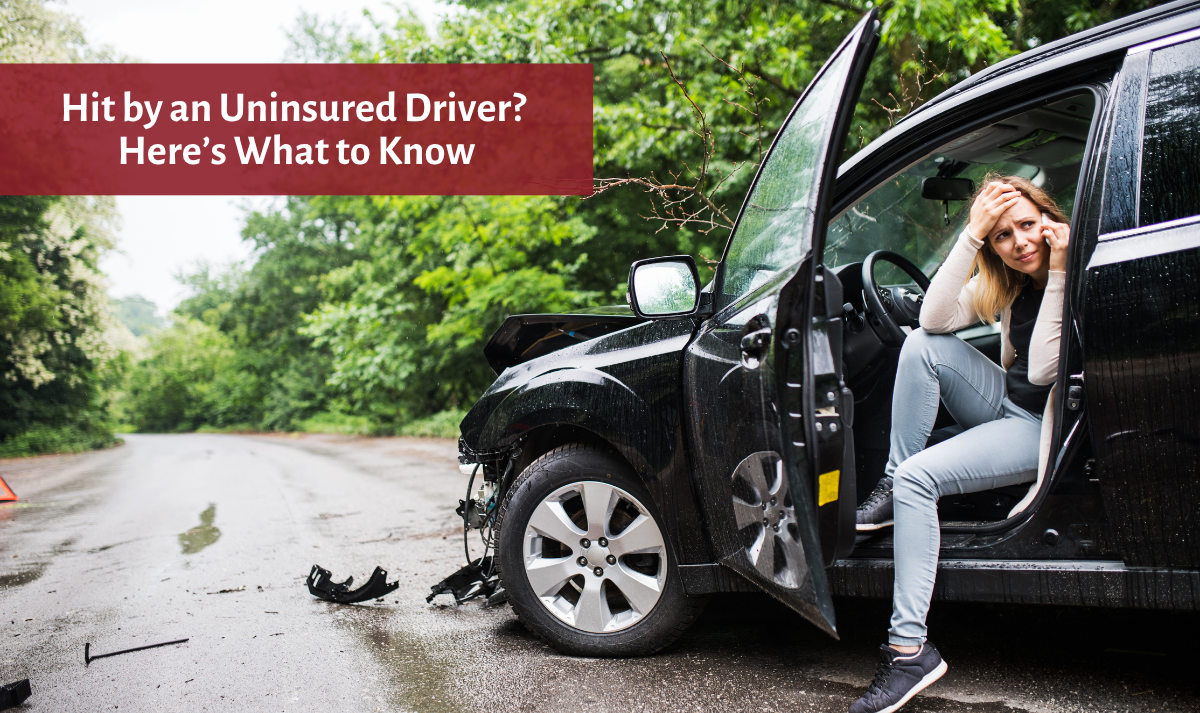
You’re stopped at a light, driving to work, or heading home when another driver causes an accident. Then comes another unwelcome surprise: they don’t have insurance.
Or maybe they do have insurance, but their liability limits aren’t high enough to cover the injuries and expenses resulting from the accident.
What happens next?
The answer depends on several factors, including your own auto insurance policy, the coverage you carry, and the insurance laws in your state.
That’s where uninsured and underinsured motorist coverage can become especially important.
What Does It Mean If a Driver Is Uninsured or Underinsured?
An uninsured driver is someone who does not have applicable auto liability insurance at the time of an accident.
An underinsured driver has insurance, but their liability limits may not be enough to cover the full cost of the injuries or damages they caused.
A hit-and-run accident may also be treated as an uninsured motorist situation under certain policies and state laws.
Although these situations are different, they all raise the same important question: If the other driver can’t adequately cover the loss, what protection do you have?
What Is Uninsured Motorist Coverage?
Uninsured motorist coverage, often called UM coverage, is designed to help protect you when an at-fault driver has no applicable liability insurance.
Depending on your policy and state, uninsured motorist bodily injury coverage may help with expenses related to injuries, such as:
- Medical expenses
- Lost wages
- Certain injury-related costs
- Other covered damages resulting from the accident
The specific protection available depends on your policy limits, terms, and state insurance laws.
What Is Underinsured Motorist Coverage?
Underinsured motorist coverage, or UIM coverage, can help when the at-fault driver has insurance but not enough to adequately cover a serious loss.
Imagine another driver causes an accident that results in significant injuries. Their liability policy may provide some compensation, but if their limits are exhausted before all covered damages are addressed, your own underinsured motorist coverage may provide additional protection, subject to your policy and state rules.
This is one reason simply knowing the other person “has insurance” doesn’t necessarily tell you whether enough coverage is available after a serious accident.
What About Damage to My Car?
Damage to your vehicle can work differently than injuries.
Depending on your policy and where you live, coverage for your vehicle may come from collision coverage, uninsured motorist property damage coverage, or another applicable part of your policy.
Not every state or policy handles property damage from an uninsured driver the same way. If you’re reviewing your coverage, it’s worth asking specifically:
If an uninsured driver damages my vehicle, which part of my policy would respond?
That’s a much better question to answer before an accident than afterward.
What Should I Do If an Uninsured Driver Hits Me?
The first steps after an accident are generally similar whether the other driver has insurance or not.
If you’re able to do so safely:
- Call the police and report the accident.
- Exchange information with the other driver.
- Take photos or video of the vehicles, damage, and accident scene.
- Collect contact information from any witnesses.
- Seek medical attention if necessary.
- Notify your insurance company or agent as soon as possible.
Don’t assume an insurance card automatically means valid coverage is in place. Your insurer can help verify coverage and determine how your own policy may respond.
Can I Sue an Uninsured Driver?
Depending on the circumstances, you may have the option to pursue the at-fault driver personally.
The practical challenge is that someone without adequate insurance may also have limited assets available to satisfy a judgment. That is one reason having appropriate coverage on your own policy can be so valuable.
Your insurance isn’t only there to protect you when you cause an accident. Certain coverages are designed to protect you when someone else causes an accident.
Why Your Own Coverage Limits Matter
When people review auto insurance, much of the conversation naturally focuses on liability coverage: how much protection do you have if you injure someone else?
But it’s also worth asking the opposite question:
How well am I protected if someone injures me?
The amount of uninsured and underinsured motorist coverage available to you is determined by the coverage and limits on your own policy, along with applicable state rules.
Choosing appropriate limits can be particularly important in an accident involving serious injuries, extended medical treatment, time away from work, or other substantial losses.
How Much Uninsured and Underinsured Motorist Coverage Do I Need?
There isn’t one answer that’s right for every driver.
Insurance requirements and available UM/UIM coverage vary by state, and your individual needs depend on factors such as your household, financial situation, existing coverage, and the amount of risk you’re comfortable carrying yourself.
Instead of choosing limits based solely on the lowest available price, take a few minutes to understand what you’re actually purchasing.
Ask your insurance agent:
- Do I currently have uninsured motorist coverage?
- Do I have underinsured motorist coverage?
- What are my limits?
- Does my coverage apply to both injuries and property damage?
- How would my policy respond to a hit-and-run?
- Are higher limits available?
Understand Your Coverage Before You Need It
The best time to understand uninsured and underinsured motorist coverage is before an accident happens.
You don’t want the first time you learn what’s included in your policy to be after discovering that the person who hit you doesn’t have enough insurance.
At Crunelle Insurance, we’re happy to help you review your current limits and explain how your policy would respond in different situations. Because requirements and coverage options vary from state to state, we’ll also help you understand the rules that apply where you live.
If you aren’t sure what uninsured or underinsured motorist coverage you currently have, reach out. A quick conversation now can give you a much clearer picture of how you’re protected on the road.
Frequently Asked Questions About Uninsured and Underinsured Drivers
What happens if the at-fault driver has no insurance?
If the driver who caused the accident is uninsured, your own uninsured motorist coverage may help pay for covered losses, depending on your policy and state laws. Other parts of your policy, such as collision coverage, may also apply.
What is the difference between uninsured and underinsured motorist coverage?
Uninsured motorist coverage helps when the at-fault driver has no applicable liability insurance. Underinsured motorist coverage may help when the at-fault driver has insurance, but not enough to cover the full amount of a covered loss.
Does uninsured motorist coverage apply to hit-and-run accidents?
It can, depending on your policy and state law. Some policies may treat a hit-and-run driver as an uninsured motorist, but requirements and coverage vary, so it’s important to review your specific policy.
Does uninsured motorist coverage pay for damage to my car?
Sometimes. Vehicle damage may be covered through uninsured motorist property damage coverage, collision coverage, or another part of your policy. The exact coverage depends on your policy and where you live.
Does health insurance cover injuries from an uninsured driver?
Health insurance may help pay certain medical expenses after an accident, subject to deductibles, copays, and plan rules. However, health insurance does not replace uninsured or underinsured motorist coverage, which may address other covered losses as well.
Can I sue an uninsured driver?
Depending on the circumstances, you may be able to pursue the at-fault driver personally. However, collecting damages can be difficult if that driver has limited assets, which is one reason UM/UIM coverage can be important.
How much uninsured motorist coverage should I have?
There is no single amount that is right for everyone. The appropriate limits depend on your financial situation, household, existing insurance, and state requirements. An insurance agent can help you review your current limits and available options.
Is uninsured motorist coverage required?
Requirements vary by state. Some states require uninsured or underinsured motorist coverage, while others require insurers to offer it and allow policyholders to reject it. Check your policy or ask your insurance agent what applies where you live.
When should I review my uninsured motorist coverage?
The best time is before you need it. Reviewing your UM/UIM limits during an annual policy review, after a move, or when your financial situation changes can help ensure you understand how your coverage would respond after an accident.