Summer vacations, business trips, and weekend getaways often begin the same way: standing at the rental car counter and being asked, “Would you like to add our insurance coverage?”
If you’re not sure how to answer, you’re not alone.
The truth is, the best time to think about rental car insurance is before you arrive to pick up your vehicle.
Understanding what coverage you may already have can help you avoid paying for protection you don’t need—or identify gaps before you hit the road.
Start with Your Auto Insurance Policy
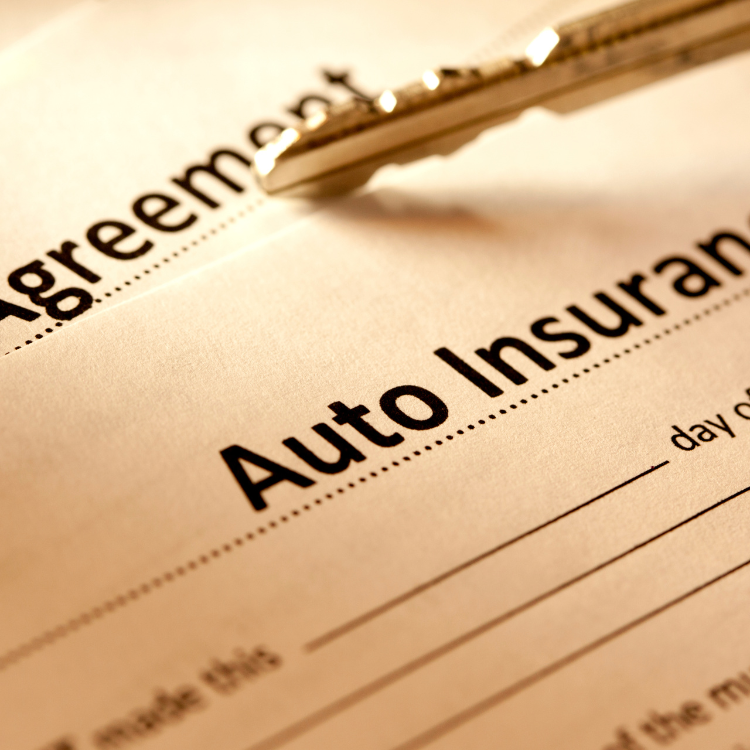
The first place to look is your own auto insurance policy.
Many personal auto policies extend certain coverages to rental vehicles used within the United States and Canada.
Depending on your policy, this may include liability, collision, and comprehensive coverage.
However, every policy is different, so it’s important to verify exactly what is and isn’t covered before your trip.
If you only carry liability coverage on your personal vehicle, your rental car protection may be more limited.
Your Credit Card May Offer Additional Protection
Some major credit cards provide rental car benefits when you use the card to pay for the rental and decline the rental company’s collision damage waiver.
Coverage varies widely among card issuers and may be subject to restrictions based on the type of vehicle, rental location, or rental duration.
Before relying on your credit card benefits, review the terms or contact your card issuer for details.

Don’t Forget About Your Belongings
If personal items are stolen from your rental car, your homeowners or renters insurance policy may provide coverage, subject to your policy terms and deductible.
Items like laptops, cameras, and other valuables may have limitations, so it’s worth understanding your policy before you travel.
Understanding the Coverage Offered at the Rental Counter
Rental companies often present several optional coverages. Here’s a quick overview:
Liability Coverage
This helps pay for damage or injuries you cause to others if you’re responsible for an accident. Depending on your existing auto policy, you may already have liability protection that extends to a rental vehicle.
Collision Damage Waiver (CDW) or Loss Damage Waiver (LDW)
This isn’t technically insurance but an agreement that can waive your financial responsibility if the rental car is damaged or stolen. There may still be exclusions or limitations, so read the agreement carefully.
Personal Accident Insurance
This helps cover medical expenses for you and your passengers following an accident.
Personal Effects Coverage
This provides limited protection for personal belongings inside the rental vehicle if they are damaged or stolen.

A Few Questions to Consider Before Renting
Before declining or accepting optional coverage, ask yourself:
- Am I traveling for business or personal reasons?
- Am I renting within the United States or internationally?
- What coverages do I already have through my auto insurance?
- Does my credit card provide rental car benefits?
- Would I be comfortable paying my deductible if a claim were to occur?
International Rentals May Be Different
If you’re renting a vehicle outside the United States or Canada, your personal auto policy may not provide coverage.
Requirements and insurance laws vary by country, so it’s especially important to review your protection before traveling abroad.

The Bottom Line
The rental car company’s coverage may be worthwhile in some situations—but not always.
The right decision depends on your existing insurance, where you’re traveling, and how you’re paying for the rental.
Before your next trip, take a few minutes to review your coverage or reach out to your insurance agent with questions.
At Crunelle, we’re happy to help you understand your policy so you can travel with confidence and avoid paying for coverage you may not need.
Frequently Asked Questions About Rental Car Insurance
Does my personal auto insurance cover rental cars?
In many cases, yes. If you carry auto insurance on your personal vehicle, certain coverages may extend to a rental car used for personal travel. However, coverage varies by carrier and policy, so it’s always best to review your policy or speak with your insurance agent before your trip.
Do I need to buy the rental company’s insurance?
Not necessarily. Depending on your existing auto insurance and any benefits provided by your credit card, you may already have some or all of the protection you need. Before declining or purchasing additional coverage, make sure you understand what your current policies include.
Does my credit card provide rental car coverage?
Some major credit cards offer rental car benefits when you use the card to pay for the rental and meet certain requirements. Coverage differs by card issuer and may have exclusions, so check with your credit card company before relying on this protection.
Does homeowners’ or renters’ insurance cover items stolen from my rental car?
It may. Personal belongings inside a rental vehicle are often covered under homeowners or renters insurance, subject to your policy terms, limits, and deductible. High-value items such as electronics or jewelry may have special limitations.
Will my auto insurance cover a rental car outside the United States?
Not always. Many personal auto policies have limited or no coverage for rentals in foreign countries. If you’re traveling internationally, review your policy carefully and consider whether additional protection may be needed.
What is a Collision Damage Waiver (CDW)?
A Collision Damage Waiver, sometimes called a Loss Damage Waiver (LDW), is an optional agreement offered by rental car companies that may waive your financial responsibility if the rental vehicle is damaged or stolen. It is not the same as traditional insurance and may include exclusions.
What happens if I get into an accident in a rental car?
The claims process depends on the coverages you have in place. Your personal auto policy, rental company coverage, or credit card benefits may all play a role. If you’re involved in an accident, report it to the rental company and contact your insurance provider as soon as possible.
What’s the best way to know if I’m covered before my trip?
The easiest way is to review your current insurance policy with your agent before you travel. A quick conversation can help you understand your protection, identify any gaps, and avoid paying for unnecessary duplicate coverage at the rental counter.